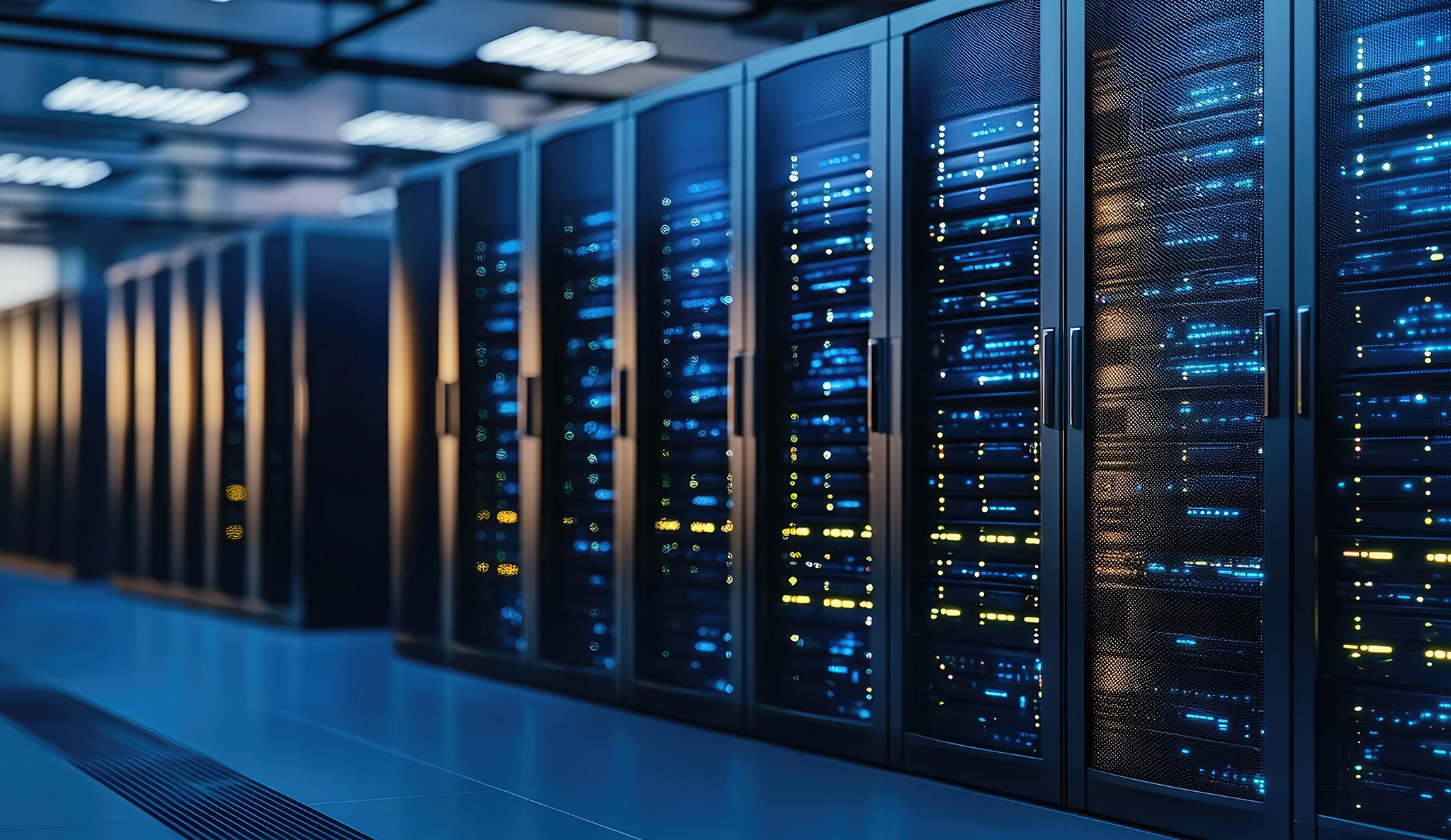
Even the most advanced businesses can come to a standstill when their IT systems fail. Unplanned outages, security breaches, or performance issues can disrupt operations, drain resources, and damage customer trust. That’s why system reliability isn’t just an IT concern—it’s a business priority.
For companies looking to maintain smooth, uninterrupted operations, managed IT services offer a practical, scalable solution. With the right approach, these services provide both the technical coverage and operational support needed to reduce risk, improve response times, and support long-term growth.
This blog explores how managed IT services help organizations stay resilient and responsive, especially in a fast-moving digital environment.
Why System Reliability Is Critical

Technology runs in the background of nearly every task. From processing transactions and managing supply chains to supporting customer service and employee collaboration, digital systems keep the wheels turning. But when these systems go down, everything grinds to a halt.
The cost of downtime can be steep. Forbes estimates that downtime can cost large organizations an average of $9,000 per minute. And beyond the immediate financial loss, there are longer-term impacts—missed sales opportunities, customer churn, reduced team productivity, and damage to brand reputation.
With so much riding on system availability, investing in the tools and processes that keep things running has never been more important.
Stay Ahead with Proactive Maintenance
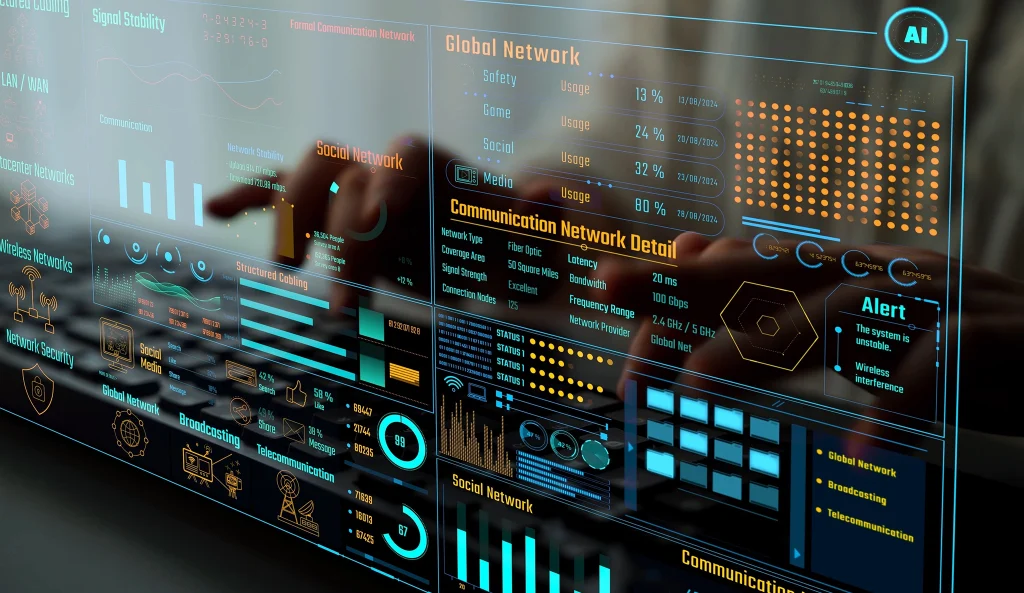
Waiting for a system to break before fixing it is a costly strategy. Managed IT services are built around preventing problems before they start. This involves continuously monitoring performance, identifying early warning signs, and carrying out regular maintenance to keep systems in peak condition.
Proactive monitoring allows IT teams to track network speed, server loads, storage levels, and system updates in real time. If something begins to deviate from normal, technicians can take action before it impacts users. Routine patching and updates also ensure that security gaps are closed and software remains compatible with changing technologies.
Over time, this approach leads to fewer disruptions, better performance, and a more predictable IT environment.
Strengthening Your Security Through Managed IT Services

Keeping systems online is only part of the equation—keeping them secure is equally important. Cyber threats continue to evolve, and even a small lapse in security can lead to major consequences, from data breaches to ransomware attacks.
Managed IT service providers help organizations stay ahead of these risks. Security protocols are regularly reviewed and updated, including firewalls, endpoint protection, multi-factor authentication, and intrusion detection systems. Access controls are tightly managed, so only the right people have entry to sensitive data and systems.
When security is integrated into everyday operations, it becomes easier to maintain uptime while reducing vulnerability to threats.
Faster Response When Incidents Happen

Even with strong prevention in place, incidents can still happen. The difference between a minor hiccup and a full-blown crisis often comes down to how quickly a team can respond.
One of the key strengths of managed IT services is having support available when it’s needed most. Around-the-clock coverage ensures that if a system goes down in the middle of the night or a vulnerability is exposed during a holiday weekend, there’s always someone on hand to resolve it. Issues are escalated quickly, downtime is minimized, and business continuity is preserved.
A well-prepared incident response plan, coupled with reliable support, can make a significant difference in how a company weathers IT challenges.
Let Your Team Focus on Core Initiatives

When internal IT teams are constantly pulled into fixing issues, applying patches, or troubleshooting outages, their time for strategic work disappears. Managed IT services lighten that load. By taking over day-to-day maintenance and monitoring tasks, they allow in-house teams to refocus on innovation, planning, and high-value initiatives.
This shift in focus helps businesses move forward. Instead of fighting fires, teams can invest time in improving systems, supporting digital transformation, and creating better experiences for customers and employees alike.
As needs evolve, managed IT services can adapt—scaling resources, adjusting coverage, and supporting new tools or platforms as they’re introduced.
Supporting Long-Term Stability and Growth

Stable systems support more than day-to-day operations. They also provide the foundation needed to scale, adapt, and compete in today’s market. Businesses that invest in proactive IT support are better equipped to manage risk, improve efficiency, and respond quickly to change.
Managed IT services bring that stability. Through constant monitoring, built-in security, and reliable support, they help reduce the impact of IT issues and create a more resilient operating environment.
For companies with growing infrastructure or distributed teams, the ability to maintain system performance—regardless of location or time zone—can be a key factor in ongoing success.
Keep Your Systems Running With Innerworks
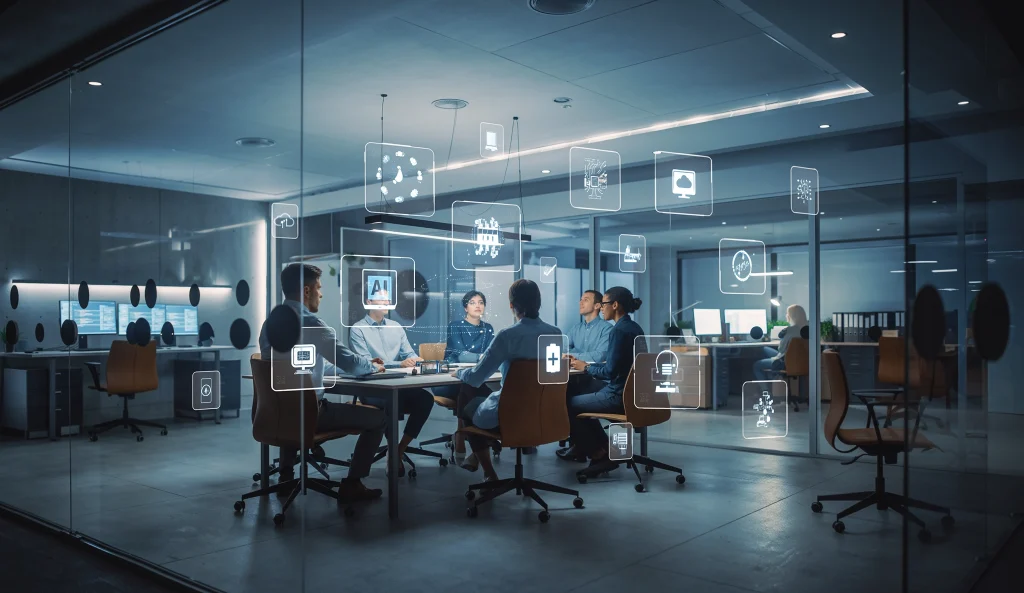
System downtime affects more than just your IT team—it touches every part of your organization. Keeping systems running isn’t just about fixing problems when they occur. It’s about building a framework that prevents those problems, responds quickly when needed, and allows your team to focus on what matters most.
Managed IT services offer a sustainable, cost-effective path to achieving that goal. With consistent support, proactive maintenance, and a focus on long-term stability, these services can play a crucial role in keeping your business running smoothly.
If your organization is ready to shift toward more dependable, scalable IT support, exploring managed IT services could be the next step toward future-proofing your operations. Get in touch with Innerworks now for a free consultation.